Video builds trust faster than text because prospective clients can experience your tone and manner before they ever get in touch. A simple therapist intro video, a few educational Reels and professional editing are usually enough — you don't need a studio, just clear, calm, well-edited content.
Why video works particularly well for therapists
Therapy clients make an unusually personal selection decision. They're not buying software or choosing a gym. They're entrusting someone with their most difficult experiences. Video does something no written word quite can: it lets a potential client sit with the way you speak, the pace you set, the sense of care you carry. Done well, a two-minute therapist intro video can replace six months of slow trust-building on a text-only website.
Types of video content that work for therapy practices
- —Therapist intro videos: 60–90 second videos where you introduce yourself, your approach and how to get in touch. This is the highest-conversion video type for solo practices.
- —Educational short-form: 30–60 second Reels or TikToks exploring a clinical concept in plain language — 'what is EMDR?', 'signs of complex trauma', 'what to expect from a first therapy session'.
- —Course and CPD video: For training providers, long-form modules for accredited programmes or CPD days — edited and produced for professional delivery.
- —Behind-the-scenes: A tour of the therapy space, a glimpse into how you approach supervision, a short piece about why you work in your specialism.
- —Testimonial-style content: Where ethically appropriate, video evidence of outcomes — carefully edited, client-approved, and within professional body guidance.
What video editing actually involves
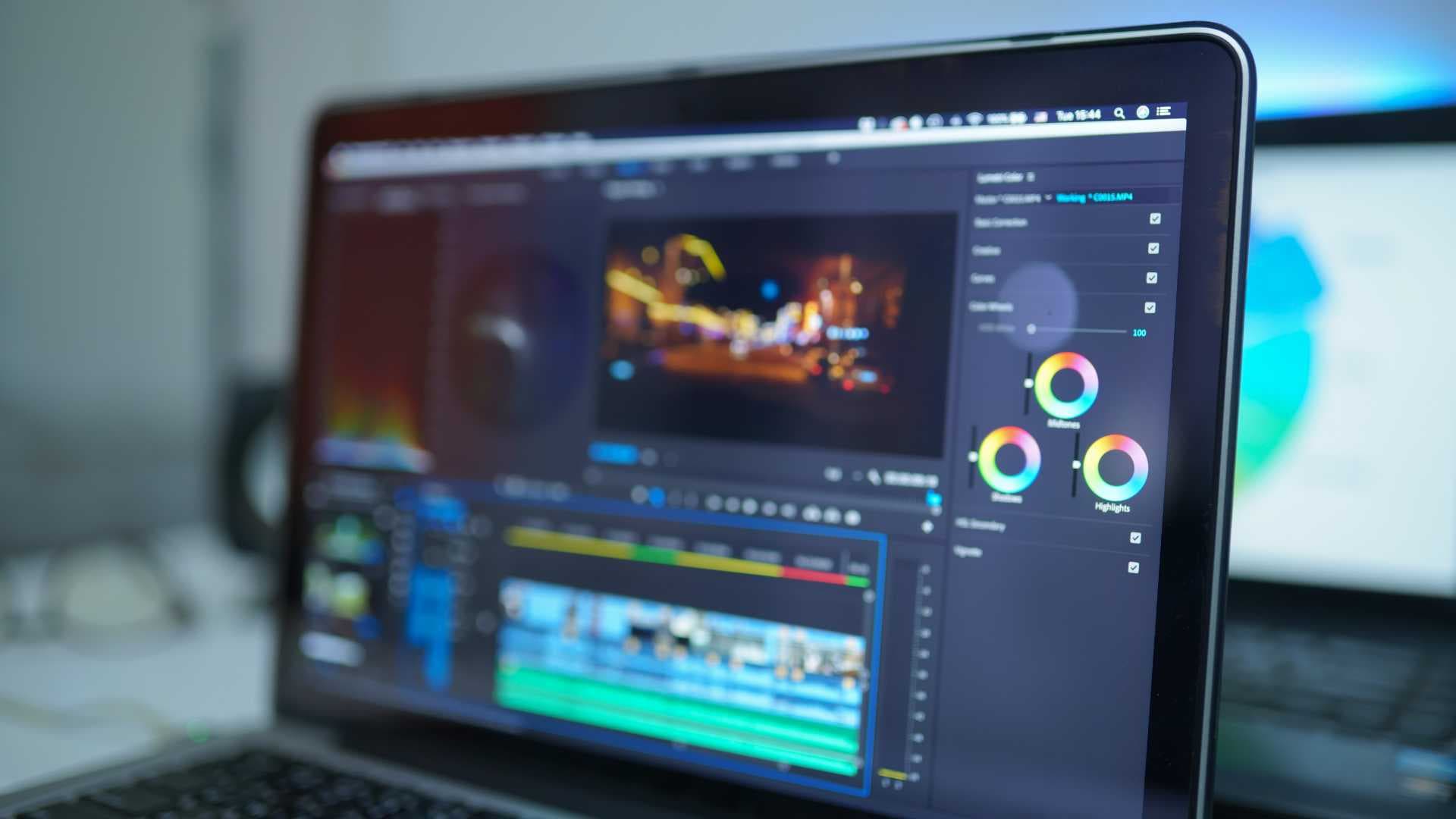
Most therapists who want to use video either record it themselves and send it for editing, or commission a full production — filming and editing combined. Both approaches can work. The editing stage is where raw footage becomes something you'd confidently share.
Good video editing for therapists involves: cutting for pace so the video doesn't drag; adding captions so it works without sound (most social video is watched on mute); sound design and levelling so your voice is clear; colour grading that matches your brand; and delivery in the correct format for each platform.
Common mistakes therapists make with video
- —Recording in a badly lit room. Natural light from the side works better than any camera upgrade.
- —Using background music that competes with the voice, rather than sitting under it.
- —Posting without captions — up to 85% of social video is watched with sound off.
- —Making intro videos too long. Anything over 90 seconds loses most of its audience before the call to action.
- —Over-producing to the point the result feels distant rather than warm and human.
How to get started
Start with the therapist intro. Record a short piece — your phone propped on a stack of books in natural light, facing a plain wall — and send it to be edited. That one video, posted to your website and Instagram, will do more for your practice's online presence than six months of daily posts.
The therapists who hesitate longest about using video are usually the ones whose presence on camera is exactly what a potential client needs to see.
Adam Watters, Founder, Psyche Creative
We've produced and edited short-form video for practices including Redland Psychology Services — from therapist intro clips to educational reels to social content built around the practice's specialism. Read the Redland Psychology Services case study →
If you want help with therapist video editing or full production, that's what we do. See our Video Production service →
Adam works with UK therapy practices, EMDR trainers and mental health organisations on websites, social media and digital campaigns. He started Psyche Creative to give clinicians a marketing partner who understands the sector — and won't compromise on professional standards to get results.